
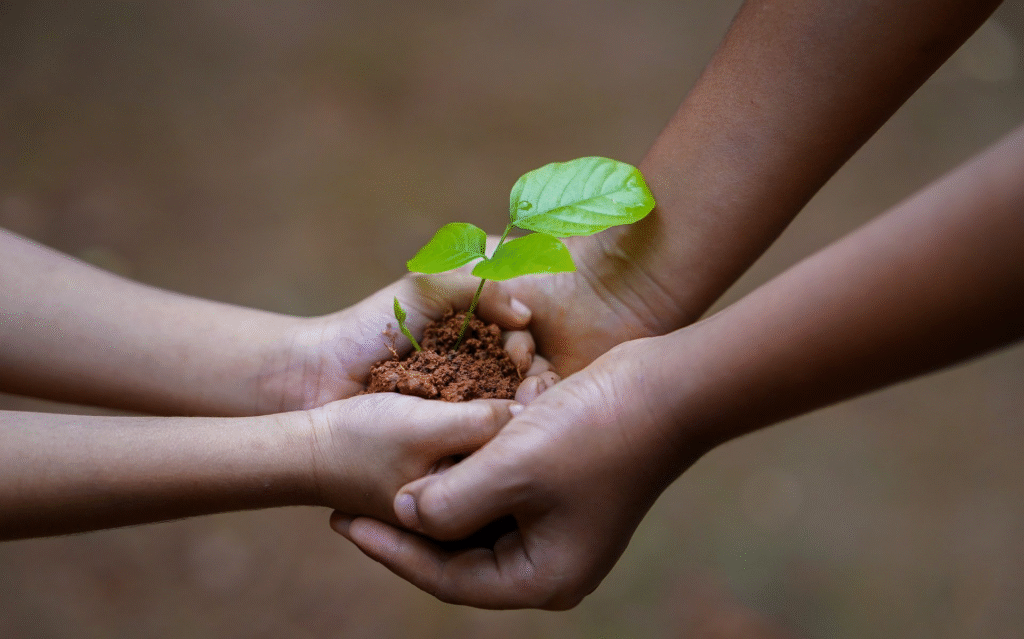
Imagine a world where good environmental deeds are tracked, rewarded, and even traded. That’s the revolutionary idea at the heart of India’s Green Credit Programme (GCP). This isn’t just another government policy; it’s a completely new, market-based approach designed to turn environmental responsibility into a valuable asset.
Launched under the broader ‘LiFE’ (Lifestyle for Environment) movement, the GCP aims to go far beyond simple regulation. It wants to motivate everyone—from individual citizens and farmers to massive corporations—to actively participate in conservation and restoration efforts. It’s about flipping the script: instead of punishing harm, we’re now formally incentivizing positive action.
What is the Core Goal of Green Credit?

At its heart, the Green Credit Programme seeks to build a new financial mechanism for environmental sustainability. Simply put, an individual or entity that undertakes a recognized, environment-positive activity is rewarded with a Green Credit unit. This unit serves as a form of official acknowledgment and incentive for their contribution.
The key breakthrough here is creating a domestic trading platform. Just like stocks or commodities, these credits can be bought and sold. This provides a direct financial benefit to the people and groups who are doing the heavy lifting on conservation, which, in turn, fuels a competitive, green marketplace.
Green Credit vs. Carbon Credit: What’s the Difference?
This is a common point of confusion! While they sound similar, Green Credits and Carbon Credits are separate initiatives:
- Carbon Credits focus narrowly on the reduction or removal of carbon dioxide (greenhouse gas emissions). They are primarily about climate change mitigation.
- Green Credits are much broader. They cover a variety of positive environmental actions that go beyond carbon, such as water conservation, waste management, and restoring ecosystems.
Original Insight: Think of Carbon Credits as the specialized tool for fighting climate change, while Green Credits are the general toolkit for holistic environmental improvement. An activity that earns a Green Credit might also have carbon benefits, but the GCP’s focus is much wider.
How Can You Earn Green Credits?
The programme is designed to cover a wide range of activities, acknowledging that environmental impact happens across many sectors. While the rules are constantly being updated, the key activities that qualify for earning credits generally fall into these eight categories:
- Water Management: This includes water harvesting, conservation efforts, and treating wastewater so it can be reused efficiently.
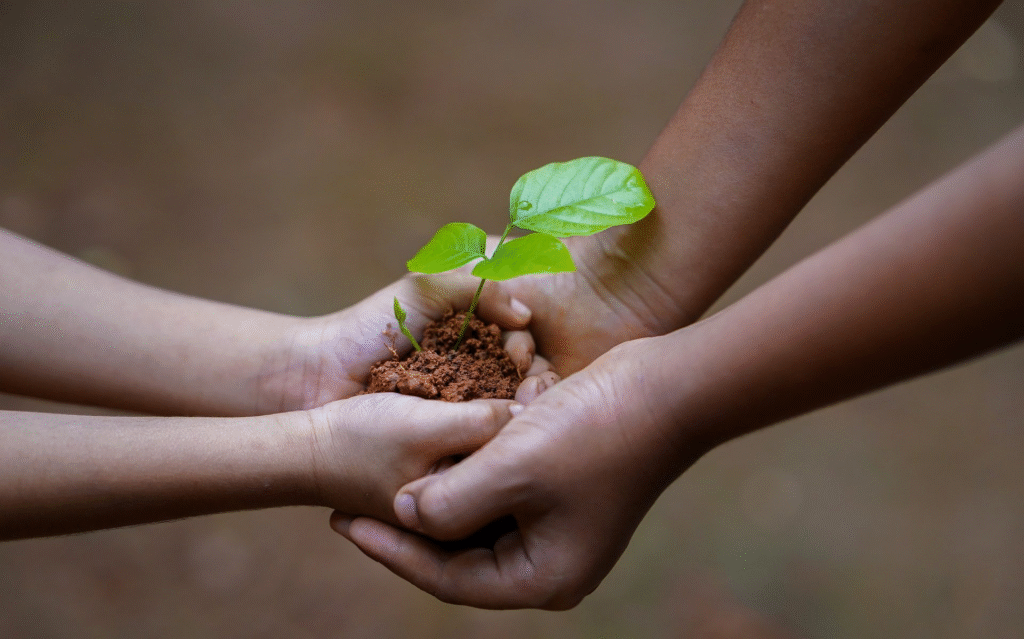
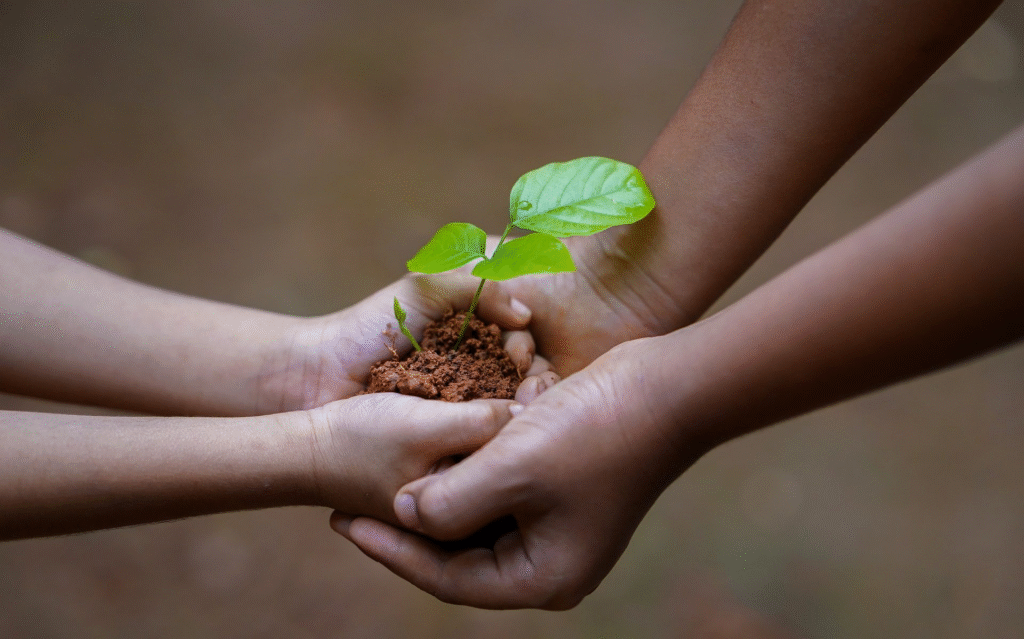
- Tree Plantation and Afforestation: This is a major focus, specifically encouraging the planting of trees on degraded lands to restore and enhance green cover.
- Waste Management: Promoting better practices like collection, segregation, and creating a more circular economy to minimize landfill waste.
- Sustainable Agriculture: Incentivizing farmers to adopt natural and regenerative farming techniques that improve soil health.
- Air Pollution Reduction: Rewarding actions that successfully curb air pollution and promote cleaner environments.
- Mangrove Restoration: Protecting and revitalizing critical coastal mangrove ecosystems.
- Eco-Mark Labelling: Encouraging manufacturers to produce goods and services that meet high environmental standards.
- Sustainable Infrastructure: Promoting the use of eco-friendly technology and materials in building and construction.
Focus on Quality and Long-Term Impact
In a major step toward ensuring real ecological benefit, the government has moved away from simply counting the number of trees planted. The latest rules put a strong emphasis on long-term survival and quality of the environmental intervention.


- The Five-Year Rule: For tree plantation, you cannot claim a credit immediately. The trees must be actively maintained and protected for a minimum of five years.
- Canopy Density Requirement: Simply surviving isn’t enough. The restored land must achieve a minimum 40% canopy density to ensure the area genuinely becomes a healthy forest.
- One Surviving Tree = One Credit: Under the newest methodology, a single Green Credit is generally issued for one tree that has survived and thrived for five years, along with the required canopy density. This shift guarantees that the program focuses on actual ecological restoration over symbolic gestures.
This focus on verification and long-term health makes the credits credible and ensures that the financial incentives truly translate into a greener India, helping the nation achieve its massive goal of restoring 26 million hectares of degraded land by 2030.
#GreenCreditProgramme#GCP#GreenIndia#EnvironmentalRevolution#IndiaSustainability#ClimateAction#LiFEmovement (Referring to Lifestyle for Environment)#EcoFriendly#MarketBasedIncentives#SustainableDevelopment