
Introduction
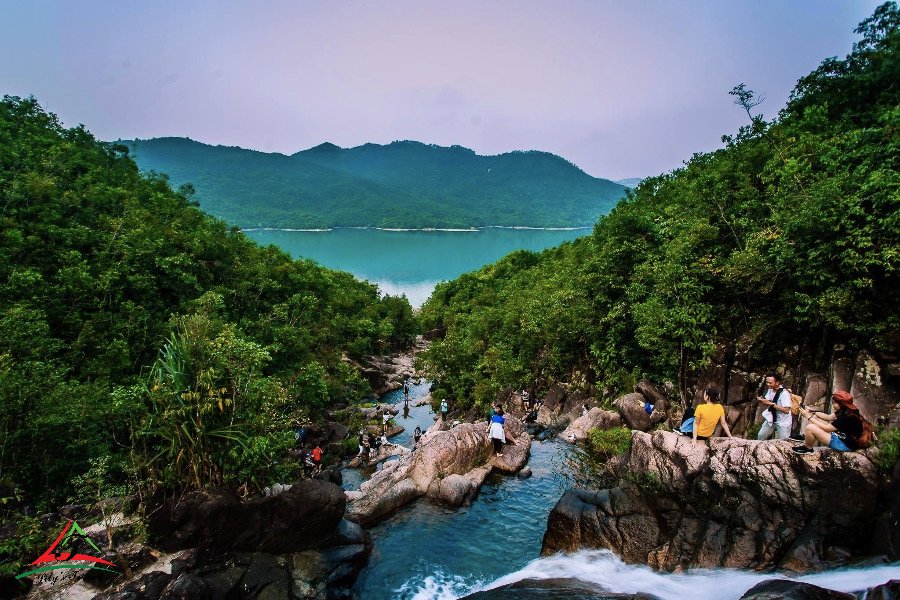
In today’s time, traveling is not limited to just fun and entertainment. People now want to adopt such a journey in which nature is also preserved and travelers get a unique experience. This is the reason why the popularity of eco-tourism is constantly increasing. It is not only a way to protect the environment but also makes travelers deeply connected with natural beauty.
1. Nature hiking and trekking

One of the most popular eco-tourism activities is trekking in the mountains and forests. This gives travellers a chance to get close to nature. Clean air, greenery and the sounds of birds make any journey memorable. The Himalayas, Switzerland and the Amazon forests are great places for such experiences.
2. Wildlife Safari
.
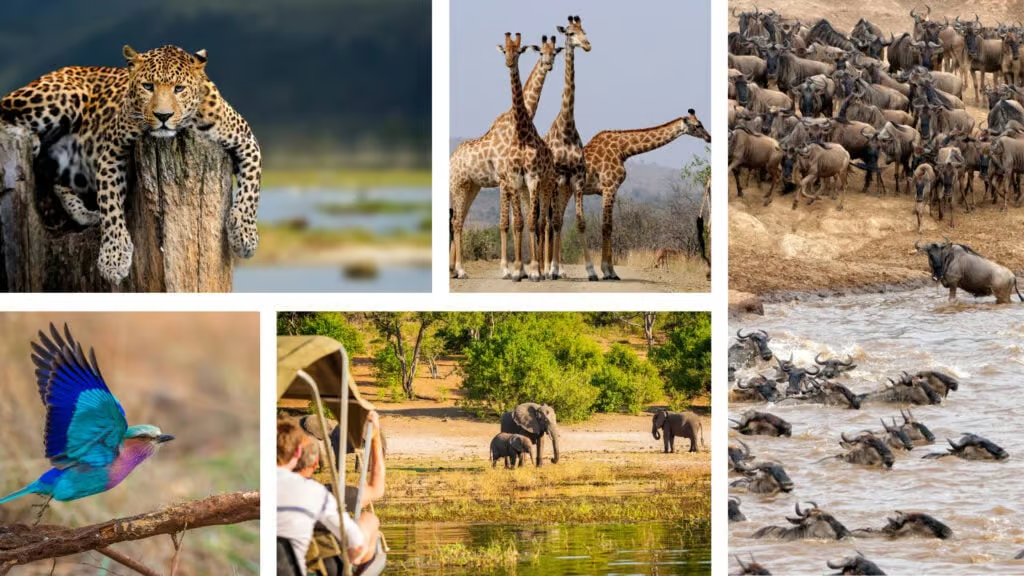
Watching wild animals in their natural habitat is a wonderful experience. Safaris in Africa, Ranthambore National Park or Kaziranga National Park in India are places where one can get the perfect eco-tourism experience. Not only are the animals protected here, but travellers also get an opportunity to see nature in its true form
3. Bird watching
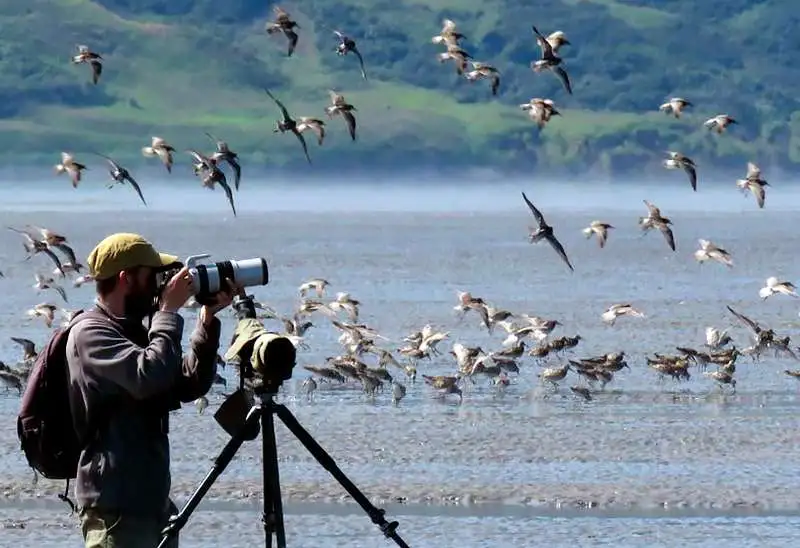
Bird watching is a very exciting activity for bird lovers. In this, travelers get a chance to see rare and migratory birds. India’s Bharatpur Bird Sanctuary, America’s Everglades and countries like Costa Rica are famous for this.
4. Community Tourism
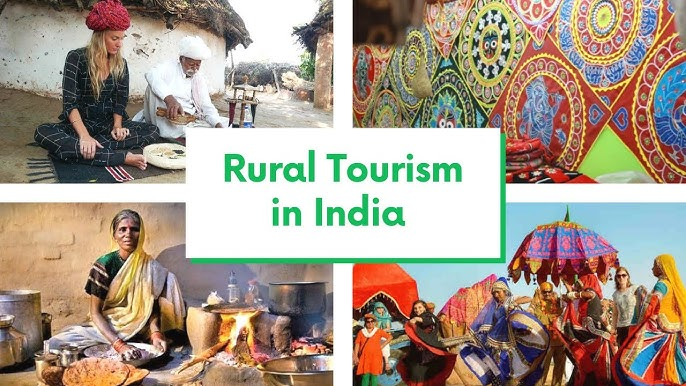
A big part of eco-tourism is connecting with local communities. Staying in villages, understanding their culture and tasting traditional food makes the trip even more special. This not only increases the income of the local people but also preserves their culture.
5. Adventure Sports
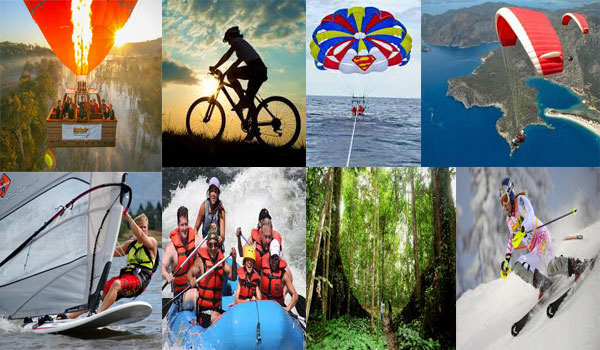
Many places offer exciting activities without harming the environment. Such as kayaking, river rafting, snorkeling and scuba diving. All these activities bring travellers closer to nature. Especially when all this is done in an eco-friendly manner.
6. Farm Stay and Organic Tourism

Nowadays people like to spend time in farms away from urban life. In farm stays, travelers experience organic farming, eat fresh fruits and vegetables and enjoy the peace of the village. It not only promotes the environment but also promotes a healthy lifestyle.
7. Sea and Beach Activities

Eco-tourism is not limited to mountains and forests. People also do eco-friendly activities on beaches like beach cleaning, coral reef conservation and beach yoga. Maldives, Indonesia and Greece are great options for such trips.
Benefits of Eco-tourism
- Environmental Protection
When travelers practice eco-tourism, they reduce plastic use, prevent deforestation and protect natural resources. - Benefits to the local community
People living in villages or small towns earn from tourism. It strengthens their livelihood and helps in reducing poverty. - Preservation of culture
Eco-tourism introduces travellers to local traditions, art and customs. This keeps the culture alive. - Unique experience for travelers:
When travelers spend time amidst nature, away from the hustle and bustle of modern cities, they get relaxation and spiritual peace.
Ways to adopt eco-tourism
- Use sustainable travel gear:
When traveling, choose clothes, bottles, and bags that can be reused. - Use public transport.
Travel by bus, train or carpooling instead of private vehicles to reduce pollution. - Buy local:
Buy products made by village artisans instead of big brands. This helps their economy. - Do not spread garbage.
While travelling, follow the rule of “Leave No Trace” i.e. leave the place as clean as you find it.
Some of the best eco-tourism destinations in the world
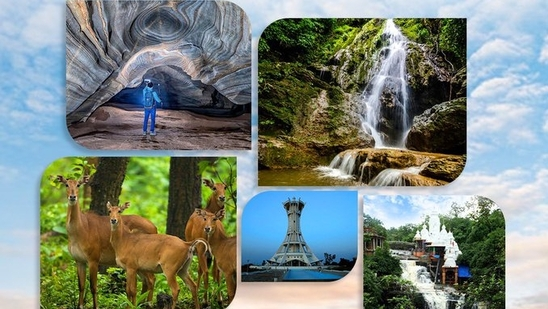
- Costa Rica – Famous for jungles, volcanoes and wildlife.
- Bhutan – The world’s first “Carbon Negative Country” meaning it produces more oxygen than the pollution it does.
- New Zealand – Known for adventure and nature-friendly travel.
- India – The backwaters of Kerala, the hills of Sikkim, and the national parks of Madhya Pradesh are excellent options.
- Kenya – A unique blend of wildlife safari and African culture.
Why is eco-tourism increasing?
People are now realizing that tourism alone can deplete natural resources. Issues like climate change, global warming and pollution have made travellers aware. This is why eco-tourism is being considered the world’s fastest growing travel industry by 2025.
FAQ (Frequently Asked Questions)
#EcoTourism #SustainableTravel #GreenTourism #EcoFriendlyTravel #Carrerbook#Anslation#ResponsibleTourism #Travel2025 #NatureLovers #AdventureTravel #WildlifeTourism